Best Practices for Saving Money with Bulky Waste Disposal
Managing bulky waste efficiently is not only vital for the environment but also for your budget. From old furniture and broken appliances to renovating debris, bulky waste disposal can quickly become a costly affair if not approached strategically. In this comprehensive article, we'll explore a variety of money-saving methods, share expert tips, and present the best practices for cost-effective bulk waste removal. Whether you're a homeowner, renter, or business owner, these strategies can help you keep your expenses under control while ensuring responsible waste management.
Understanding Bulky Waste: What Qualifies?
Before diving into smart bulk waste disposal tips, it's important to clarify what constitutes bulky waste. Bulky items are generally too large or heavy to be collected through regular waste management services, such as:
- Old sofas, armchairs, and mattresses
- Large household appliances (fridges, washing machines, ovens)
- Garden debris (branches, tree stumps, fencing)
- Construction waste, renovation leftovers
- Broken bikes, exercise equipment
- Carpet and large rugs
Each municipality may define and handle bulky item disposal differently. Check with your local authorities for a precise understanding of what items they accept under bulky waste programs.
Why Bulky Waste Disposal Gets Expensive
The cost of bulk trash removal can add up for several reasons:
- Special equipment and handling required for large or hazardous items
- Landfill or recycling facility fees
- Fuel and transportation costs
- Charges for labor, especially for items needing heavy lifting
- Permits or administrative fees for certain types of waste
However, there is a smart way to dispose of bulk garbage and still maintain your budget!
Best Practices for Saving Money with Bulky Waste Disposal
Let's break down proven, money-saving tips for cost-effective bulky rubbish removal.
1. Sort and Separate Bulky Waste
Sorting your waste is a foundational step. Not all bulky items need to go to the landfill. Separate appliances, metal goods, furniture, and recyclables because:
- Some items can be taken for free recycling programs
- Certain materials fetch rebates or credits at recycling centers
- Many charities or reuse organizations accept usable furniture and electronics, reducing your load and costs
Pro Tip: Many council pickup services charge by volume or type--segregating items can help you optimize space and eligibility for free or subsidized disposal.
2. Utilize Local Council Free Collection Programs
Numerous cities and towns offer annual or regular scheduled bulky waste collection. Maximize these services by:
- Booking your pick-up in advance as slots fill quickly
- Checking eligibility and permitted items to avoid additional charges
- Coordinating with neighbors for bulk drop-offs if permitted
- Setting a reminder for collection dates to avoid missing out
If you can fit your disposal within these slots, you could potentially save 100% of your bulky item removal costs!
3. Donate or Sell Still-Usable Items
Not only does donating reduce disposal fees, but it also keeps useful items out of landfills. Consider:
- Donating to charities, shelters, or furniture banks
- Listing on platforms like Freecycle, Facebook Marketplace, Craigslist
- Hosting a garage sale to earn some extra cash
Tip: Many organizations offer free bulky item pick-up for donations, saving you time and transportation costs.
4. Reuse and Repurpose Bulky Items
With a little creativity, upcycling can help you save money and resources. Ideas include:
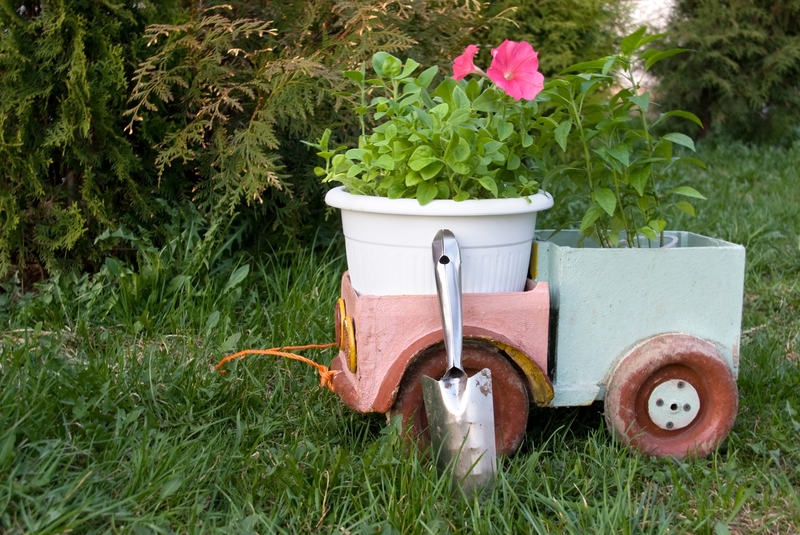
- Turning old wood or furniture into shelves, planters, or garden features
- Repurposing appliances for spare parts or DIY projects
- Using broken tiles or slabs in landscaping
Every item you reuse is an item that won't incur a disposal fee.
5. Share Skip Bins or Dumpster Rentals
If you have a large quantity of bulky waste, consider pooling resources with neighbors:
- Share-a-bin services split skip bin costs between multiple households
- Plan collective clean-ups with family, friends, or your HOA
- Estimate combined waste volume to choose the right skip or dumpster size--overestimating size leads to unnecessary expense
This collaborative approach often reduces your personal expense by half or more.
6. Compare Professional Bulk Waste Disposal Services
If municipal pick-up isn't an option, compare private junk removal companies. Consider:
- Requesting multiple quotes to find the best price
- Reading customer reviews for service reliability
- Grouping items to minimize pickups (one trip is cheaper than several)
- Clarifying if the fee includes recycling, dumping, and labor
- Watching for seasonal promotions or discounts
Hint: Ask about price breaks for curbside or garage pick-up (versus inside your home).
7. Take Advantage of Recycling and Scrap Metal Centers
Metal scraps, white goods, electronics, and some plastics can often be dropped off for free or traded for cash at scrap dealers and recycling centers. Consider:
- Separating metals and electronics from other bulk waste
- Calling ahead to confirm accepted items and payouts
- Transporting collected material yourself to save on delivery charges
Scrap value can significantly offset your overall bulk disposal costs.
8. Avoid Fines and Hidden Fees
Improper bulky waste disposal can result in substantial fines and surcharges. To save money:
- Follow all local guidelines for legal disposal
- Never dump items in unauthorized locations
- Check for permit requirements in your municipality
- Label hazardous items for special handling
Knowledge of the rules is key to preventing expensive penalties.
9. DIY Bulk Waste Transport (If Safe and Practical)
If you have access to a truck or trailer, self-hauling can substantially cut your bill. Tips:
- Borrow or rent a suitable vehicle (combine loads with friends to maximize trips)
- Call ahead to your local landfill or transfer station for fees and accepted items
- Secure and tarp loads to avoid losing waste in transit (illegal and unsafe)
- Plan off-peak visits to reduce wait times and possible per-hour charges
This method offers full control over timing and cost--just factor in fuel and labor.
Additional Tips for Efficient Bulky Waste Removal
Smash Down Bulky Items Responsibly
Disassembling or compacting furniture and appliances helps maximize bin or vehicle space, saving on volume-based fees. Always ensure:
- Safe handling (watch for sharp edges, hazardous parts)
- Separation of hazardous materials like refrigerants, batteries, or electronics
- Proper recycling for materials such as wood, glass, or metals
Ask About Subsidies or Vouchers
Some local councils provide vouchers or reduced rates for seniors, low-income residents, or during community clean-up events. Always inquire about:
- Eligibility for special discounts
- Disposal events or bulk drop-off days
- Access to reusable item take-back schemes
Plan Ahead - Don't Rush Bulk Disposal
Last-minute or emergency disposal jobs often incur higher costs. Instead:
- Schedule ahead for free or low-cost collection
- Avoid high-fee "express" or out-of-hours services
- Group items over several weeks or months to dispose of them efficiently in one go
Environmental and Legal Impact: Save Money While Going Green
Proper bulky waste removal is a win-win: you save money and help protect the environment by:
- Reducing landfill waste through reuse and recycling
- Supporting local charities and communities
- Decreasing illegal dumping, which carries hefty fines
- Potentially qualifying for green tax credits or incentives depending on your locality

Frequently Asked Questions About Bulky Waste Disposal on a Budget
How can I find my local free bulky waste collection days?
Check your municipality's official website or call their waste department. Many cities publish a calendar or send notices by mail.
Are there national recycling programs for bulky items?
Yes, some appliances and electronics manufacturers operate take-back or recycling schemes for old products. Always ask before disposal.
Is it worth hiring a professional if I only have a few items?
Sometimes, but first try donation and free drop-off options. Only hire a professional if municipal freebies aren't available or you lack transport.
How do I dispose of hazardous bulky items safely?
Contact your council for instructions--never include chemicals, batteries, or refrigerants with your regular bulky items, as this can be dangerous and illegal.
Conclusion: Save Money, Save Time, and Protect the Environment
By following these best practices for saving money with bulky waste disposal, you can significantly reduce your costs while decluttering responsibly. Remember to sort and donate what you can, utilize free collection programs, compare removal services, and always obey local disposal regulations.
- Plan ahead and optimize your waste removal process
- Make reuse and recycling your first choice
- Team up with neighbors or friends for maximum savings
- Stay informed to avoid fees, fines, and expensive mistakes
Bulky waste management doesn't have to break the bank--with the right strategy, it's both affordable and sustainable.
