Commercial Waste Removal in Rotherhithe
Commercial waste removal in Rotherhithe needs a practical service that keeps business premises clear, compliant and ready for normal trading. We handle a wide range of non-household waste streams, from office clearances and shop-fit debris to mixed bulky items and general workplace rubbish, with an emphasis on sensible sorting and straightforward disposal. The aim is simple: remove waste without disrupting the day’s work more than necessary, while keeping the process clear for the people arranging it.
That can mean taking away old furniture, dismantled fixtures, archive material, surplus stock, packaging, shelving and other items that build up when a site is being refitted, reduced, relocated or refreshed. We also support businesses that need a one-off clearance after a tidy-up or a more regular collection pattern for recurring waste. If you need a commercial waste removal service in Rotherhithe, the first step is often to identify what needs moving, what can be separated for recycling, and where access is easiest.
For a quotation, use the most relevant service page or make contact with the details shown on the site. A concise description of the items, the floor level or access point, and the approximate amount of waste helps us prepare a more accurate response. Clear information at the start usually makes the next step easier.
Business waste collections for day-to-day premises
Business waste collection suits premises that generate mixed rubbish steadily rather than in a single clear-out. Typical examples include office kitchens, reception spaces, back rooms, small workshops and retail storage areas where unwanted materials appear in manageable but regular amounts. The focus is on keeping waste moving away from the workplace in an organised way so that stock, equipment and staff areas remain usable. Where waste types vary, separating recyclables and non-recyclables at source can make the collection more efficient and easier to plan.
Businesses often want a service that deals with a combination of paper, packaging, redundant displays, worn office furniture and other non-hazardous items. We can support that broader removal need without turning it into a complicated process. For sites with limited loading space or shared entrances, it helps to think about the easiest route for carrying items and whether the waste is grouped in one place or spread across several rooms. If you already know what needs removing, a simple list is usually more useful than a long explanation.
When planning a collection, it helps to remember three practical points: what needs to go, how much there is, and where it is located. Those three details often shape the approach more than anything else. If the waste includes mixed materials, it may be more sensible to remove it in sections rather than trying to bundle everything together. That can be especially useful for offices and shared commercial spaces.
Office clearances and workplace item removal
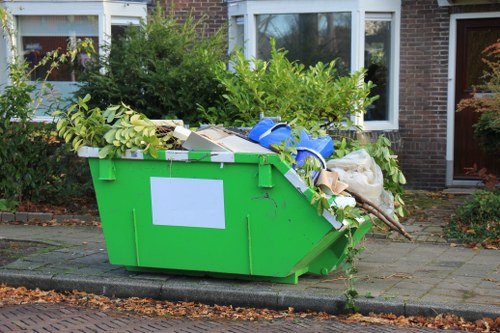
Office clearance work usually involves items that no longer serve the business but still take up valuable room. Desks, chairs, filing cabinets, storage units, monitors, cables, small electrical items and general office clutter all need different handling decisions, especially where there is a wish to separate reusable pieces from ordinary waste. A careful office clearance can help restore usable space in meeting rooms, work areas, archive rooms and reception zones without forcing the business to close off the whole premises.
Some clearances are tied to relocation, consolidation or refurbishment, while others follow a simple decision to replace ageing furniture and equipment. We can help remove individual pieces as well as larger grouped loads, and we keep the service focused on the practical side of moving unwanted items out of the building. If there are narrow corridors, shared lifts or loading restrictions, those details are worth noting early because they influence how the work is organised and how long the removal may take.
If you are preparing an office clearance request, it can help to separate the items into broad categories before asking for a quotation. For example:
- office furniture and storage
- electrical and electronic equipment
- paper records and archive material
- general mixed workplace rubbish
Furniture disposal for commercial premises
Furniture disposal is often needed when a business upgrades interiors, reduces spare seating or removes damaged fittings that have reached the end of their use. Commercial premises may need to clear desks, boardroom tables, reception seating, storage cabinets, shelves or loose items that no longer fit the layout. The main consideration is not simply weight, but how the furniture is built, whether it can be dismantled, and whether any parts need to be separated before removal.
We handle furniture removal as part of a wider commercial waste service, so the emphasis stays on straightforward clearance rather than complicated logistics. In some cases, a business may wish to keep only a few items and remove the rest, while in others everything in a room has to go before decorating or reconfiguration begins. Either way, it is useful to identify which items are fixed in place, which are easily lifted, and which might need partial dismantling to leave the route clear.
Good planning tends to focus on access. Stair widths, lift availability, parking restrictions and the presence of shared areas all influence how furniture is taken out. If you can describe the items plainly, the size of the load and any access limits, the quotation process becomes much more precise. That is especially helpful for larger offices and premises with more than one floor.
Clearance work for shops, units and mixed business spaces
Many commercial sites need a clearance rather than a single item collection. Shop back rooms, small units, treatment rooms, studios and storage areas often accumulate mixed rubbish over time, including obsolete displays, packaging, broken fixtures and general clutter. A targeted clearance can make these spaces usable again without forcing the business to reorganise its whole operation. The work usually starts with deciding what stays, what should be recycled separately and what is ready for removal in one load.
This kind of service is useful when a premises is changing hands, being refurbished or simply reorganised after a period of gradual build-up. The best approach usually depends on how much of the site is accessible and whether items are concentrated in one room or scattered across several. We can support removals that involve light and bulky items together, but the practical details matter: item type, load size, access route and whether the waste can be staged close to the exit.
Common questions at this stage often relate to timing and presentation. A clear list of what needs removing is more valuable than a general statement that the space needs clearing. When in doubt, separate the commercial waste into broad groups and note anything awkward to move.
What we can remove from commercial premises

Commercial waste comes in many forms, and not all of it should be treated in the same way. Some items are suitable for ordinary disposal, while others benefit from separate treatment because of their material mix or size. Our service is designed around typical business items rather than domestic clutter, so the work can include office furniture, packaging, shelving, redundant fixtures, light equipment and general non-hazardous rubbish. Where items are mixed, the removal may be planned so that suitable materials can be separated before disposal.
There are also certain categories that need more careful handling, such as appliances, bulky upholstered furniture and items that include electrical components. In a commercial setting, these can appear alongside routine waste after a refit, closure, stock rotation or equipment replacement. That is why it helps to describe the load in plain language rather than assuming all unwanted items are treated the same way. If an item is awkward, unusually heavy or attached to the building, mention it early so the method of removal can be considered properly.
The most useful information for a quotation usually fits into a few points:
- the main items to be removed
- the approximate amount or number of pieces
- the floor, room or access route involved
- any sorting or separation already completed
About Rotherhithe
Rotherhithe is a riverside district in the London Borough of Southwark, positioned on a peninsula on the south bank of the Thames. Its history is closely tied to maritime trade, dock work and riverside industry, and many traces of that past remain visible in the street pattern and built environment. The area includes a mix of older residential streets, repurposed dockland and waterside paths, giving it a character shaped by both historic settlement and later redevelopment. The Thames Path runs through the district, and the river continues to be a defining feature of the landscape, with views across to north London and links to the wider Docklands area.
Several landmarks reflect the neighbourhood’s long association with the river. St Mary’s Church is one of the best known historic buildings in the area, while the Brunel Museum recognises the engineering legacy of the Thames Tunnel, an important Victorian achievement associated with Marc Brunel and his son Isambard Kingdom Brunel. Nearby, the tunnel entrance and adjoining structures form part of a local story that connects transport history, engineering and urban change. Canada Water, although now often associated with the broader Rotherhithe area, has become a significant centre in its own right, with shopping, public transport and civic uses layered over former dockland. The area’s waterfront spaces, residential developments and older conservation pockets show how the district has evolved without losing the sense of its working-river origins. Public open spaces, nearby docks and waterside routes contribute to a varied local environment that combines movement, heritage and everyday neighbourhood life.
For businesses, the district’s compact streets and mix of older and newer buildings create a practical setting where clear internal routes, sensible loading arrangements and well planned access can make a real difference to how waste is moved. The area’s layered layout is one of its defining features.
Commercial waste planning and access considerations
Good commercial waste planning is often about the details that sit behind the collection itself. Access to the building, the distance from the items to the exit, and whether the waste is already grouped can all affect the ease of removal. For shops, studios, offices and small industrial spaces, it is often sensible to think through the route before the day of collection, especially where there are staircases, shared corridors or limited loading space. Clear access helps the work stay efficient and reduces the chance of unnecessary handling.
Where a premises contains a mixture of useful stock, reusable fixtures and clear-out waste, it may be best to define the disposal area first and keep the rest separate. That is particularly important in places where teams are still working on-site, because a well-planned clearance should avoid confusion about what is staying and what is going. We can work from the items that are ready, rather than turning the process into a full site reorganisation. If there are specific lift, parking or entry restrictions, they should be mentioned when the job is described.
Before asking for a quotation, it usually helps to consider whether the waste is set out in one place or spread across different rooms. If there are fragile surroundings, shared access points or surfaces that need care, note those conditions clearly. That kind of practical detail is often more useful than a long description.
Recycling, sorting and responsible disposal
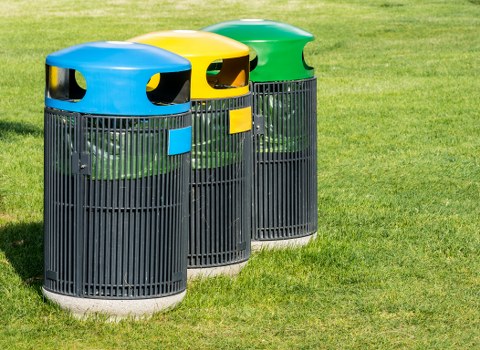
Responsible commercial waste removal is not only about taking things away; it is also about handling different material types in a sensible order. Office paper, cardboard, reusable metal, wood, electrical items and general rubbish may each need a different route once they leave the premises. Sorting waste at the point of collection can make the process more efficient and can help reduce unnecessary mixing of materials that could otherwise be managed separately. This is particularly relevant when a business has accumulated waste from several departments or areas over time.
For some jobs, the main challenge is volume; for others, it is the mix of materials. A straightforward business waste service should make room for both. We can support removals where recycling opportunities need to be considered alongside the practical task of clearing the site. If the load includes items that are bulky, breakable or made of multiple components, it is sensible to describe them carefully so the right handling approach can be used. A little organisation before collection often makes the site easier to hand back to normal use afterwards.
When comparing options, businesses usually want a service that is clear about the items involved and flexible enough to deal with mixed loads. That makes a simple, honest description of the waste more valuable than a generic request for “everything goneâ€.
Preparing a quotation for commercial waste removal
A good quotation starts with practical information rather than guesswork. The more clearly you can describe the waste, the easier it is to prepare a realistic response. It helps to identify whether the job involves office furniture, retail fixtures, general rubbish, boxed material, appliance removal or a mix of several categories. If the waste is spread across more than one room, say so. If it is already by the entrance, mention that too. Those details matter because they affect how the work is organised and how much handling is involved.
Two forms of information tend to be especially useful: the approximate quantity and the access conditions. A pile of small items may take different effort from a few bulky pieces, and a job on an upper floor is different from one with level access. Photographs can be helpful when they show the actual items and the route out of the building, but a clear written summary works well too. If the waste includes anything unusual, such as attached components or items that may need dismantling, include that in the first enquiry so the quotation is based on the right assumptions.
For the fastest response, keep the description simple but specific. You do not need to provide a long account of the whole premises. A short note covering the main items, quantity and access is usually enough to begin. When you are ready, send the details and ask for a quotation.
Office clearance, furniture removal and business waste collection made straightforward

Commercial waste removal in Rotherhithe works best when it stays focused on the actual job in front of the business: clearing unwanted items, keeping access manageable and removing waste in a way that suits the site. Whether the need is a one-off office clearance, the disposal of redundant furniture, or a broader business waste collection from a premises with mixed items, the service should be arranged around the practical facts of the load. That includes what needs to go, what can be separated and how the route out of the building will work.
We support a range of commercial removal tasks, from small clearances to more substantial mixed loads, always with the same basic priorities: clear communication, sensible handling and a straightforward approach to disposal. If you are planning an office tidy-up, a refit or a general business clearance, it is usually best to begin with a simple item list and then expand only where needed. That keeps the enquiry focused and easier to quote. For the next step, choose the most relevant page or use the site’s contact details to request a quotation.
Need commercial waste removed in Rotherhithe? Make contact and ask for a quotation today.